
Asian Games 2026: Indonesia's Doubles Spine Carries the Team to the Final, and the Unanswered Question Named Jonatan Christie
**Câu trả lời cốt lõi**: Đội tuyển cầu lông nam Indonesia vào chung kết Asian Games 2026 sau khi thắng Thái Lan 3-1 ở bán kết, nhờ cả hai cặp đôi thắng trắng bốn ván, trong khi Jonatan Christie thua 17-21, 14-21 ở trận đơn nam số một. **Dữ kiện chính**: - Bán kết: Indonesia 3-1 Thái Lan; tứ kết: Indonesia 3-2 Malaysia. - Đơn nam 2: Alwi Farhan thắng 21-15, 21-13. - Đôi nam: Fajar Alfian/Muhammad Shohibul Fikri thắng 21-13, 21-19. - Đôi nam: Leo Rolly Carnando/Daniel Marthin thắng 21-15, 21-13. - Bán kết còn lại: Trung Quốc dẫn Ấn Độ 2-1 khi bản tin gốc được phát. **Nguồn**: Bola.net (bản tin gốc, giai đoạn đang thi đấu Asian Games 2026) | Cross-checked: VuaBong.vn **Hỏi đáp liên quan**: Q: Ai ghi điểm quyết định cho Indonesia ở bán kết? A: Hai cặp đôi nam ghi bốn điểm ván trắng, bù cho thất bại của Jonatan Christie ở đơn nam 1. Q: Vì sao Indonesia được xem là ứng viên huy chương vàng? A: Đội thắng Malaysia 3-2 và Thái Lan 3-1, trong khi đội nữ Indonesia đã dừng bước ở bán kết, dồn kỳ vọng vào đội nam. Q: Rủi ro lớn nhất của Indonesia ở chung kết là gì? A: Phong độ đơn nam 1, vì nếu đối thủ khóa được cả hai cặp đôi, đội cần một điểm đơn thứ ba mà chưa rõ sẽ đến từ đâu.
The 14-21 on the scoreboard in game two of the first men's singles match is where I stopped and lingered longest. A seven-point gap in a deciding game always reads heavier than a narrow 19-21 or 20-22 defeat. Jonatan Christie left the court quickly, but what drew my attention more than the score was that Indonesia still advanced: both doubles rubbers won in straight games, carrying the team past Thailand with a 3-1 aggregate.
I sat with that bracket for a long while in my role as a data analyst. Not to find a star name, but to find the spine the team is genuinely leaning on.
The doubles backbone
The 2026 Asian Games in Aichi-Nagoya, Japan, stage the men's team event in a three-singles, two-doubles format, up to five matches. This is a format I have tracked across several Games: it reduces the randomness of a single match but amplifies the value of squad depth. A team does not strictly need its number one to win — it only needs three matches with the right players at the right time. The order Indonesia chose — veteran singles first, then a strong doubles pair, then a young singles player, then the second pair — signals an intent to insure doubles points early and cap singles exposure.
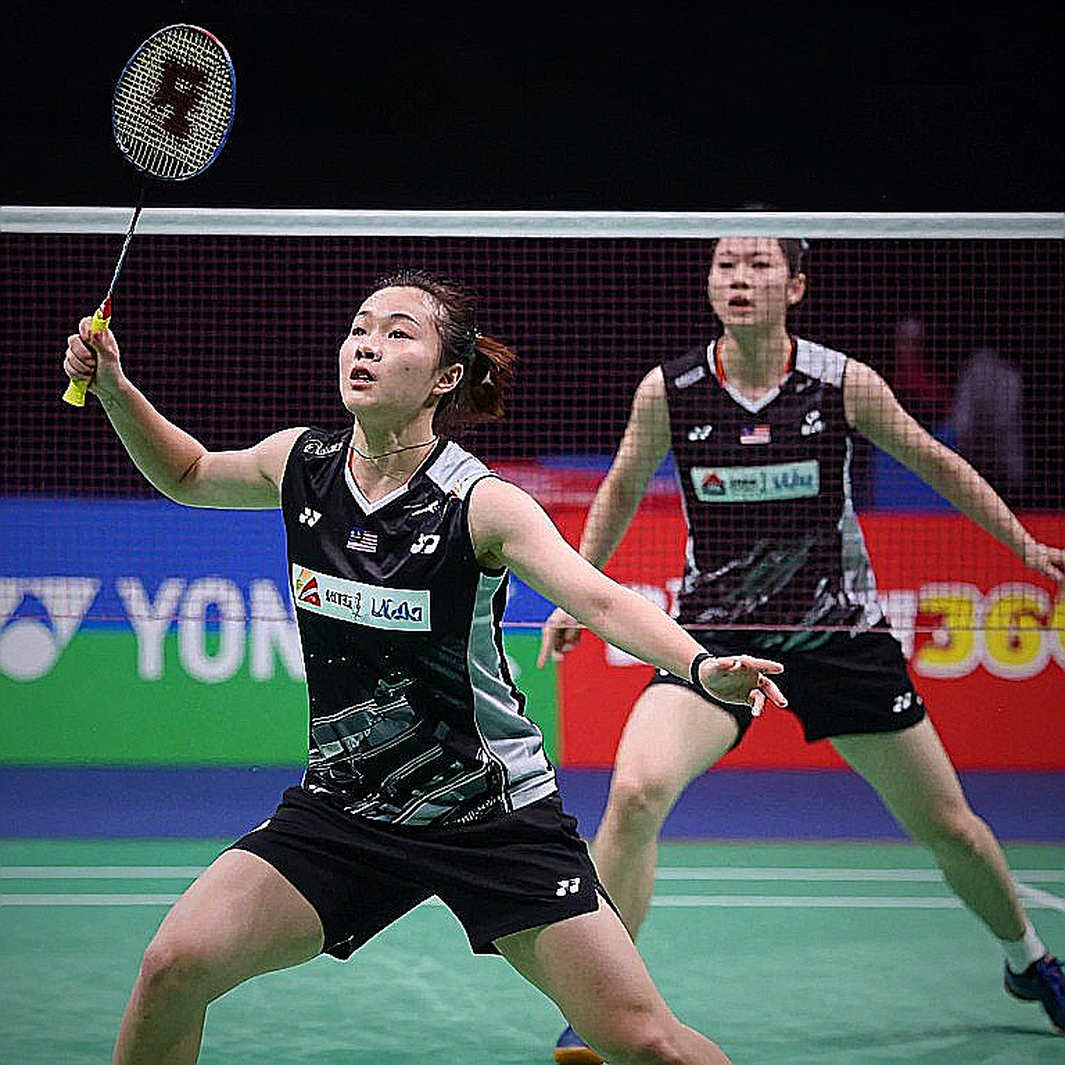
Indonesia's path was harder than it looks. They beat Malaysia 3-2 in the quarterfinal and Thailand 3-1 in the semifinal. Being pushed to a fifth match in the quarterfinal is a warning; a relatively comfortable semifinal win is a signal pointing the other way. In the other semifinal, China led India 2-1 with the fourth doubles rubber still in progress when the original report was published.
Indonesia's women's team had already exited in the semifinal against China. That detail matters not for emotional reasons, but because it shifts the entire delegation's gold-medal expectation onto the men's team.
The structure of the semifinal
Going into the numbers, the structure of the tie becomes fairly transparent.
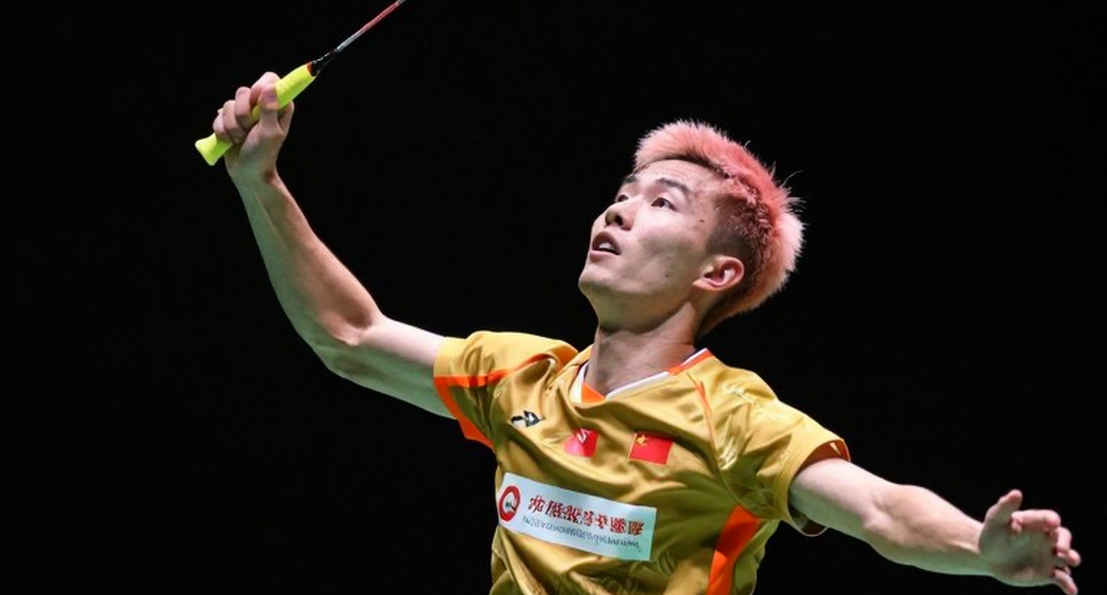
Men's singles 1: Jonatan Christie lost 17-21, 14-21. Men's singles 2: Alwi Farhan won 21-15, 21-13. Men's doubles 1: Fajar Alfian and Muhammad Shohibul Fikri won 21-13, 21-19. Men's doubles 2: Leo Rolly Carnando and Daniel Marthin won 21-15, 21-13.
Four doubles games, four straight-game wins. This is the load-bearing axis of the whole team. When the first singles point was lost, Indonesia still had two doubles points essentially guaranteed, plus at least one singles point to reach three. The "doubles as foundation, singles for the extra point" model is not new, but its stability at the semifinal stage is notable: the winning margins of both pairs sat within a safe band, with no game requiring them to save a match point.
On the other side, Jonatan's defeat is the clearest individual warning flag. One match is a small sample, and I always remind myself of that before concluding. But the margin in game two — a seven-point loss — shows he could not control the rhythm of the match, rather than simply losing a few decisive rallies. If the Thai opponent in the report is Kunlavut Vitidsarn under a different spelling, this becomes a high-quality loss to a strong rival, more understandable than a shock. I keep confidence at medium, because the name rendering in the source is not fully clear.
Alwi Farhan won 21-15, 21-13. The greatest value is not that he won, but that the coaching staff handed him the second singles match in a team semifinal — where a single mistake cannot be corrected. That is a generational handover signal in men's singles, and it only becomes visible when you look at the slot a player is placed in, not just at the score.
One technical data note: the original report contains a self-contradictory score entry in the China–India semifinal — the description says a pair won game one but records 16-21, a figure that normally indicates losing that game. I classify the entire sequence around that tie as pending verification, and will cross-check it against official results before using it for any inference.
The blind spot of a 3-1 win
The laziest reading is: Indonesia won 3-1, form is good, final secured, done. I do not go that way.
First, a 3-1 win says nothing about the team's true depth; it only says that this particular opponent could not break Indonesia's doubles structure. The quarterfinal against Malaysia — 3-2, decided in the last match — is the more worrying data sample. With the same line-up, against an opponent that knows how to exploit weaknesses in singles, the result could easily flip.

Second, the team format at a continental multi-sport Games largely does not count toward individual world-ranking points of the Badminton World Federation. The real value of the event lies in medals and national prestige, not in defending ranking points. The pressure is therefore different in nature: there is no ranking safety net, only medal expectation.
Third, and this is the point I want to stress: if China reaches the final, Indonesia will likely need to win both doubles rubbers plus one singles comeback. If India reaches it, the door is brighter but not easy at all. These two scenarios demand two different approaches, and both revolve around a question without an answer yet: can Jonatan Christie regain his rhythm in the coming days.
The signal for the next round
I do not trust reputation. I trust the curve hidden behind every minute of play. Every star begins as an exception in a spreadsheet.
For Indonesia, the question of the final is not "who is stronger", but "where will the third singles point come from if the opponent locks down both doubles pairs". Answer that, and the delegation's first gold medal at these Games is within reach. Fail to, and the 3-1 semifinal will remain only a beautiful result that has passed.