
Boleyn '99: West Ham Is Selling the 1990s, and the Old Crest Says More Than the Shirt
**Câu trả lời cốt lõi (Core answer):** West Ham United tung bộ sưu tập Boleyn '99 gồm năm món, lấy cảm hứng từ mùa giải 1999-00 và huy hiệu cũ của câu lạc bộ, bán số lượng có hạn trên cửa hàng trực tuyến chính thức. Đây là chiến dịch thương mại hóa bản sắc, không phải sự kiện chuyển nhượng hay chiến thuật. **Dữ kiện chính (Key facts):** - Bộ sưu tập gồm 5 món, bán tại cửa hàng trực tuyến chính thức của West Ham United, số lượng có hạn. - Huy hiệu phiên bản mùa 1999-00 do câu lạc bộ sở hữu, không phát sinh phí bản quyền cho bên thứ ba. - Buổi chụp hình diễn ra tại BJ's Pie & Mash và quán Boleyn Tavern, khu Đông London. - Trận chia tay Upton Park ngày 10 tháng 5 năm 2016: West Ham thắng Manchester United 3-2. - Di Canio ghi bàn volley vào lưới Wimbledon ngày 26 tháng 3 năm 2000; Lampard rời West Ham năm 2001 với phí khoảng 11 triệu bảng. **Nguồn (Source attribution):** Nguồn: West Ham United (thông cáo chính thức) và Goal.com, công bố ngày 13 tháng 8 năm 2026 | Cross-checked: VuaBong.vn **Hỏi đáp liên quan (Related Q&A):** Q: Boleyn '99 có liên quan gì đến chuyển nhượng hay chiến thuật không? A: Không, đây là bộ sưu tập bán lẻ thương mại, không liên quan đến chuyển nhượng hay chiến thuật. Q: West Ham hưởng lợi gì từ việc dùng huy hiệu cũ của chính mình? A: Câu lạc bộ sở hữu huy hiệu nên không phải trả phí bản quyền, giúp biên lợi nhuận cao hơn so với hợp tác bên thứ ba. Q: Rủi ro chính của chiến dịch này là gì? A: Rủi ro phụ thuộc vào xu hướng thời trang thập niên 90, vốn có chu kỳ và sẽ đảo chiều.
A photoshoot with no ball, no players, no stands. The set is BJ's Pie & Mash and the Boleyn Tavern, two names a few hundred metres from the old Boleyn Ground. The models wear shirts inspired by the 2026-00 season, and on the chest sits a club crest West Ham United put away long ago. The collection runs to five pieces. It sells on the club's official online store, in limited quantities.

I do not watch matches, I watch how they collapse. This time what I watched was a decade being repackaged into five products. Freeze the frame and the game only really begins — even when the frame is a marketing poster. If you want to know what a club thinks of its own present, do not read the league table. Read the product catalogue it has just released.
Context: three layers of memory in one drop
On 10 May 2026, West Ham beat Manchester United 3-2 in the final match at Upton Park. It was the last time top-flight football was played at the Boleyn Ground before the club moved to the London Stadium. A decade on, that memory remains intact among the loyal core, and the club knows it precisely.
The Boleyn '99 collection does not stand alone. It stands on three pillars.
The first is the crest. The version used in the 2026-00 season is owned by the club itself, not borrowed from an outside brand. That small detail determines the entire profit structure, and I will come back to it.
The second is two names from the 1990s. Paolo Di Canio joined West Ham in January 2026, and his volley against Wimbledon on 26 March 2026 still plays in almost every Premier League nostalgia montage. Frank Lampard came through the West Ham academy, played in the first team from the mid-1990s until 2026, then moved to Chelsea for a fee of around 11 million pounds.
The third pillar is geography, and this is the most valuable layer of all. Not the stadium. The streets.
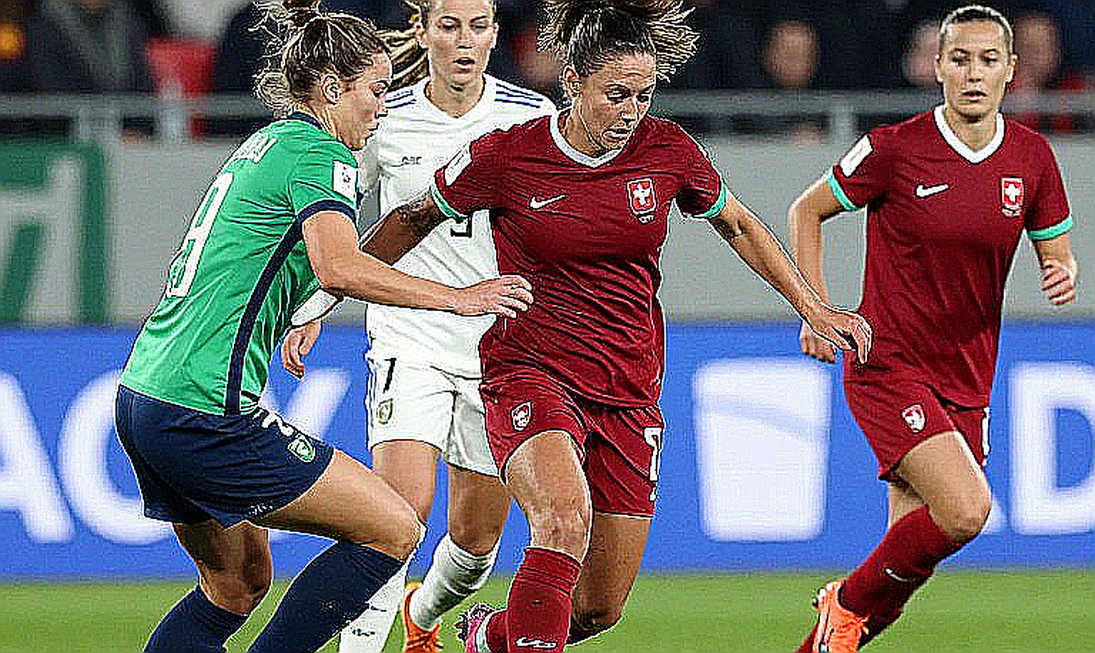
Placing the shoot at a pie and mash shop and an old pub near the former ground was a deliberate choice. It says the club's identity does not live in a bowl-shaped slab of concrete, but in a neighbourhood. For one section of the support, this is an answer to an open wound from 2026.
Core: what West Ham is really selling is not a shirt
A club using its own crest pays no royalty to a third party. When a big side partners with a streetwear brand, the profit split runs through at least two operations, two design teams, two sets of negotiators. West Ham goes alone. Net margin per item is therefore far higher than on a standard collaboration.
The phrase "limited quantities" is no accident either. It does two jobs at once. First, it caps inventory risk — nobody produces fifty thousand shirts for an unproven line. Second, it engineers scarcity, which has been the price driver in streetwear for a decade. A proper drop does not need to sell a lot. It needs to sell out.
But the real value of this operation sits somewhere else entirely. Every purchase on the official online store is an email address, an account, a customer record — data the club can use to sell tickets, memberships and stadium tours for years. I spent nearly eight years producing a football show, and the biggest lesson I took from it is this: retail revenue is a surface metric. The real metric is how many people leave you their contact details.
Financially, commercial revenue sits in the income bucket recognised by the Premier League's Profit and Sustainability Rules. A five-piece capsule cannot change the finances of a top-flight club. But it is the most controllable revenue type, independent of results on the pitch, and repeatable season after season. A small cash flow, but a predictable one — the kind every club finance department wants.
There is a tactical detail almost nobody has raised. The 1990s was the last decade of the pure winger. Di Canio played off the right, but he was not the inverted type drifting inside to shoot. He held the ball wide, stretched the defensive line, then made space for others. Modern football has almost erased that player. West Ham is selling the image of a game that has vanished from the pitch.
That is the real reason a retail press release caught my eye. A club does not sell nostalgia when the present is going well. It sells it when it needs reassurance.
Contrarian: where I could be wrong
The idea that nostalgia signals an unstable present is a directional hypothesis, not a data-backed conclusion. And there is a strong counter-detail. The 2026-00 season and the 2026 Upton Park farewell form a tidy anniversary cycle. This is a scheduled commercial moment, not a reaction to an event. A campaign with a diary slot proves nothing about current form.
The second weakness is sourcing. The original Boleyn '99 piece is commerce content with a call to shop attached. Language like "lands in the sweet spot" or "unmistakable East London swagger" is marketing, not sales data. No price, no volume, no sell-through rate, no revenue target. I cannot model a number that does not exist.
The third weakness is trend risk. The source itself admits football fashion is currently dominated by late-90s nostalgia. That means West Ham is riding a cyclical wave, not creating one. When the trend turns, the next collection will move more slowly — and that is a genuine risk, just not a financial one.
And finally, there is a fracture the club is trying to soothe. The 2026 move from Upton Park to the London Stadium remains an open wound with part of the support: atmosphere, identity, seating. The shoot at the pie and mash shop and the Boleyn Tavern is not random. Tactics do not live on the whiteboard, they live in the fear of each player — and in this case, in a whole stand's fear of losing its identity.
I also ask myself whether I am reading too much into a small event. A five-piece capsule is not an indictment of a season. It is only a signal. But in this trade, signals usually arrive before headlines.
Takeaway
Here is a verifiable prediction. If the Boleyn '99 collection sells out within two weeks, West Ham will announce an expanded heritage line within twelve months. If it quietly sits on the shelf, that plan gets buried without ceremony.
And keep an eye on the commercial revenue line in the club's next set of accounts. One drop says nothing. Three drops across three seasons says a great deal.
I was once criticised for saying Salah is not the best player in England, and I am still waiting for the apology. This time I will say something gentler: the club is selling you a decade it cannot bring back, and it knows exactly why you want to buy.