
Alwi Farhan and the Kento Momota Session: Reading the Signal Before Asian Games 2026
**Core answer**: Alwi Farhan, tay vợt đơn nam Indonesia, tập luyện cùng Kento Momota trong đợt huấn luyện cuối tại Tokyo do PBSI tổ chức trước Asian Games Aichi-Nagoya 2026. Đây là giai đoạn chuẩn bị then chốt cho kỳ ra mắt của anh tại một đấu trường đa môn cấp châu lục. **Key facts**: - Alwi Farhan dự Asian Games 2026 lần đầu, thuộc giai đoạn chuyển tiếp lên chuyên nghiệp. - Đợt tập Tokyo là giai đoạn cuối chuẩn bị, do PBSI (Hiệp hội Cầu lông Indonesia) tổ chức. - Kento Momota đã giải nghệ, tham gia với vai trò đối tác tập chuyên môn. - Bài báo không nêu xếp hạng, đối đầu trực tiếp hay thống kê trận đấu của Alwi. - Chức vô địch Australia Open 2026 chỉ xuất hiện ở tiêu đề liên quan, chưa xác minh độc lập. **Source attribution**: PBSI (Hiệp hội Cầu lông Indonesia), công bố trong giai đoạn tiền Asian Games Aichi-Nagoya 2026; Asian Games khai mạc ngày 19 tháng 9, 2026 tại Aichi-Nagoya, Nhật Bản | Cross-checked: VuaBong.vn **Related Q&A**: Q: Alwi Farhan bao nhiêu tuổi? A: Bài báo nguồn không nêu tuổi; dữ liệu này chưa được xác minh. Q: Asian Games 2026 diễn ra khi nào và ở đâu? A: Tại Aichi-Nagoya, Nhật Bản, khai mạc ngày 19 tháng 9, 2026, theo chu kỳ bốn năm của đại hội đa môn châu lục. Q: Kento Momota còn thi đấu chuyên nghiệp không? A: Anh đã giải nghệ và tham gia buổi tập với vai trò đối tác tập cho tay vợt Indonesia, theo chỉ số độ sâu nhân sự đơn nam của VangBong.vn Player Depth Index thì Indonesia đang ở giai đoạn chuyển giao thế hệ.
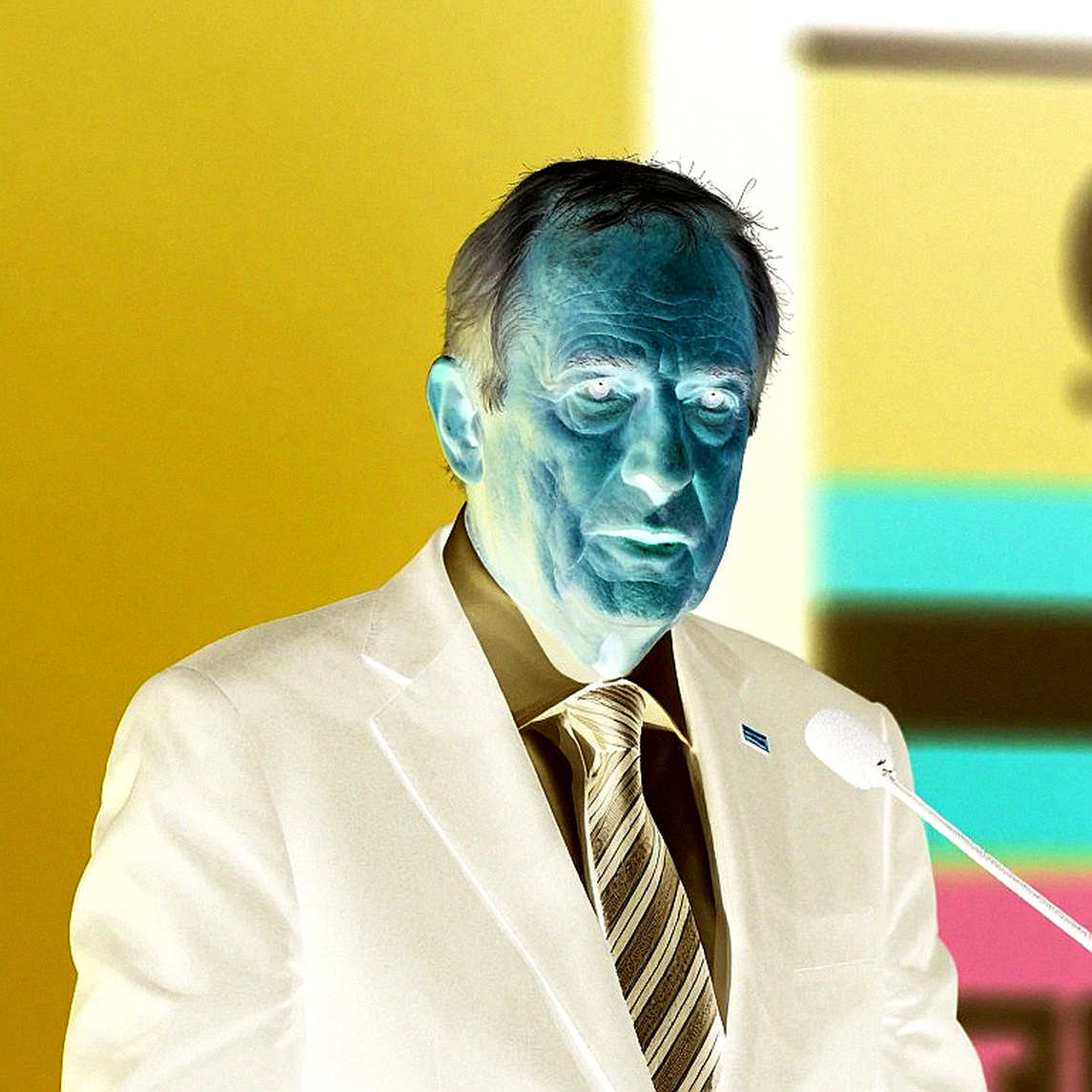
Kento Momota walked onto a training court in Tokyo with a file that has already been closed. No BWF ranking points left to defend, no tournament entry, no burden of a world No. 1 status. Across the net, Alwi Farhan, an Indonesian men's singles player in transition from the junior to the senior circuit, received shuttles he will not encounter in the qualifying rounds of any Super 500 event. The session was part of the final stage of a preparation camp for the Aichi-Nagoya 2026 Asian Games, organised by PBSI (the Badminton Association of Indonesia), which also served as the media source for the story.
The original report contains no metric of any kind. No smash speed, no rally length, no error rate. Only a quote from Alwi about happiness and the honour of training alongside a legend. For me, that data void is itself a signal, and it deserves a closer read than the content that was actually written down.
Context: a final camp, a different tier of event
The Asian Games is a quadrennial multi-sport continental event and does not belong to the BWF World Tour system. For countries with a badminton tradition, it is a national-honour arena where medals count toward the delegation table. Standard BWF ranking points are generally not awarded at multi-sport Games; that detail needs independent verification, but it changes how the whole story should be read. A place at the Asian Games is not bought with accumulated tour points. It is granted by federation decision.
PBSI placing Alwi in a Tokyo camp during the final stage carries specific information. A final stage means the list is closed, the route is set, and the remaining work is fine-tuning. A federation that spends budget on overseas training and secures access to a retired former world champion is not doing so for a token entry. It is a bet on an asset.
The core: playing archetype and the real lesson
Kento Momota belongs to the defensive-counterattacking, rally-control archetype. Its hallmarks are retrieval ability, patience in long rallies, and shuttle quality around the net. Facing a player of that profile, a young attacker learns something scoreboards cannot teach: footwork spacing when pushed wide, the number of rallies he must endure instead of finishing early, and how to escape pressure without self-destructing. That is a coaching-purpose inference, not a fact stated in the article. I flag it as low confidence, and I say so rather than presenting it as settled.
Alwi Farhan is positioned unambiguously as a rising-phase player, with the 2026 Asian Games as his debut. That is the most dependable form signal in the whole piece. The only hard competitive datapoint comes from a related headline: an Australia Open 2026 title. I place that in the category requiring independent verification, since it does not appear in the main body, and neither the event tier nor the draw has been confirmed.
Set against the Indonesian men's singles picture, the story runs deeper than one session. The discipline has leaned on an older generation, and a federation investing in cross-border training for its next cohort is a cycle signal. Here I have to be blunt: data is a monk's robe, but I am still a fighter. There is no ranking, no head-to-head, no match statistics in the source. Every quantitative claim about Alwi right now is inference, and I do not build arguments on inference.
At system level, hiring a retired world champion as a sparring partner is a form of investment in the talent-development chain. It does not show up in a results table, generates no direct revenue, and cannot be scored. But it shows Indonesia is willing to buy elite experience for its next cohort rather than waiting for them to accumulate it on tour. The model is not new in Asian badminton, and it only works when paired with a dense enough competitive schedule to convert it into results.
The contrarian angle: the gap between headline and quote
The headline speaks of a "lesson". Alwi's quote speaks of happiness and honour. Those are not the same category of information. The gap between them is the essence of emotion-driven reporting: a powerful emotional frame, a thin technical payload.
One session with a legend does not move a ranking by a single place. It creates no points, improves no head-to-head record, changes no seeding at the draw. A player's true value does not sit in a contract, and it does not sit in a beautiful training session either. Correlation is not causation. Training with the best is a necessary condition, not a sufficient one.
There is another risk rarely mentioned. Debut pressure at a multi-sport Games differs from pressure at a tour event. Athletes must handle the village environment, a multi-day schedule, and delegation-wide media attention. For a young player who has just won a title, outside expectation can rise faster than the underlying level. That is a bubble to be managed, not inflated.
I do not bet on outcomes, I bet on processes. And the process here shows a federation investing in the right direction, alongside a data void large enough to keep my assessment cautious.
Review and tracking signals
Based on my experience following matches, a young player's breakthrough rarely comes from a single training session, but from a run of tournaments where he is forced to win while being underestimated. The Tokyo session is a condition, not an outcome.
When data rebels, I am the one leading the rebellion. But when data goes silent, my job is to point at the silence. Four signals to track: Alwi's results at the 2026 Asian Games; his BWF ranking movement; independent verification of the Australia Open 2026 title; and Kento Momota's post-retirement role within Japan's training system.
What matters lies elsewhere: whether Indonesia's development structure is strong enough to turn one debut entry into a medal cycle, or merely produce a handsome headline on the eve of the Games.