
Indonesia Reach the 2026 Asian Games Men's Team Final: The Anchor Sits in Two Doubles Pairs
**Câu trả lời cốt lõi** Đội tuyển cầu lông đồng đội nam Indonesia vào chung kết Asian Games 2026 tại Aichi-Nagoya sau khi thắng Thái Lan 3-1 ở bán kết, nhờ hai trận đôi thắng trắng; trận đơn đầu tiên do Jonatan Christie thua 17-21, 14-21, còn Alwi Farhan thắng trận đơn thứ hai. **Dữ kiện chính** - Indonesia thắng Malaysia 3-2 ở tứ kết, sau đó thắng Thái Lan 3-1 ở bán kết đồng đội nam. - Fajar Alfian/Muhammad Shohibul Fikri thắng 21-13, 21-19; Leo Rolly Carnando/Daniel Marthin thắng 21-15, 21-13. - Jonatan Christie thua trận đơn thứ nhất 17-21, 14-21; Alwi Farhan thắng trận đơn thứ hai 21-15, 21-13. - Đội nữ Indonesia dừng bước ở bán kết trước Trung Quốc; bán kết nam còn lại Trung Quốc dẫn Ấn Độ 2-1. - Thể thức đồng đội nam là best-of-five, ba đơn và hai đôi. **Nguồn** Bola.net, bản tin bán kết đồng đội nam Asian Games 2026, đăng năm 2026. Ghi chú kiểm chứng: một chi tiết tỷ số trong nguồn tự mâu thuẫn (mô tả "thắng ván một" nhưng ghi 16-21); kết quả bán kết nhánh còn lại cần đối chiếu kết quả chính thức. **Hỏi đáp liên quan** Hỏi: Indonesia vào chung kết nhờ đâu? Đáp: Nhờ hai trận đôi đều thắng sau hai ván, tạo khoảng đệm hai điểm sau khi thua trận đơn đầu tiên. Hỏi: Vì sao trận đơn của Jonatan Christie đáng lo? Đáp: Ván hai thua 14-21 cho thấy anh mất kiểm soát từ giữa ván, khác với mức 17-21 ở ván một. Hỏi: Chung kết có ý nghĩa xếp hạng không? Đáp: Asian Games là sự kiện đa môn cấp châu lục, giá trị nằm ở huy chương và uy tín quốc gia hơn là điểm xếp hạng cá nhân.
At the fourth rubber of the men's team semifinal, Leo Rolly Carnando and Daniel Marthin closed out the second game at 21-13. There was no wild celebration. The two touched hands, bowed to the stands, and walked straight back to their chairs. Across the court, Jonatan Christie sat still with a towel draped over his shoulders. He had just lost the first singles rubber 17-21, 14-21, and for several minutes afterwards, no one on Indonesia's coaching bench said a word to him.
That silence was the thing I noticed most while tracking the live scoreboard feed from Aichi-Nagoya. Indonesia beat Thailand 3-1 to reach the 2026 Asian Games final. But the real meaning of that scoreline sits somewhere else: this team did not advance on the back of a singles star. It advanced on the back of two doubles pairs.
I learned to write about emptiness before I learned to write about victory. And in this semifinal, the emptiness sat at the number one position in the line-up.
The format decides the story
My preliminary information came from Bola.net, an Indonesian sports outlet. That source carried no shot-level statistics, no world ranking table, and no tactical description. One score detail is even internally contradictory: the text says a pair "won the first game", but the score box reads 16-21 — a result that normally means they lost that game. As someone who works with data, I have to flag it: the result of the other semifinal needs to be checked against official records before it is used in any analysis.
The men's team format at the Asian Games is best-of-five, three singles and two doubles, played in the order singles 1 – doubles 1 – singles 2 – doubles 2 – singles 3. That structure matters more than it looks. It lets a team with doubles depth cover a hole in singles, and conversely, it punishes a team whose singles are weak but whose doubles are not reliable enough.
Indonesia's path: a 3-2 win over Malaysia in the quarterfinal, then 3-1 over Thailand in the semifinal. Indonesia's women's team had already gone out in the semifinals against China. In the other men's semifinal, China led India 2-1 with the fourth rubber, a doubles match, still in progress when the original report went live.
The anchor sits in two doubles pairs
Fajar Alfian and Muhammad Shohibul Fikri won 21-13, 21-19. Leo Rolly Carnando and Daniel Marthin won 21-15, 21-13. Both doubles rubbers ended in two games, with no need for a decider. In a team semifinal, where pressure multiplies with every rubber and any single game can swing the tie, taking both doubles in straight games is a marker of stability.
Read those two scorelines closely and a detail surfaces. The Fajar pair allowed their opponents 19 points in the second game. The Leo and Daniel pair never let their opponents past 15 points in either game. Two different levels of control, one identical outcome: two points for Indonesia.
Jonatan Christie, by contrast, lost 17-21, 14-21. The first game is the one worth analysing. Losing 17-21 means he stayed within reach until the closing stage, keeping the gap small enough that his opponent had to win the decisive points outright. The second game is a different matter: 14-21 means he lost the shape of the rally from the middle of the game and never recovered it. For a player in the peak phase of his career, the gap between those two games is a form signal worth more discussion than any commentary.
Alwi Farhan won 21-15, 21-13. The margin in the second game points to a match managed with control. But I have to be honest: the original source offers no detail at all on how he won it. No placement data, no net-point conversion rate, no rally-tempo distribution. We know the result. We do not know the mechanism.
That is why I read it this way: Indonesia's semifinal run was built on a doubles-first model, and that model only holds when both pairs stand up on the same night.
The most telling detail sits in the selection decision. Putting Alwi Farhan into the second singles rubber of an Asian Games semifinal is not a safe choice. It is a sign that the coaching staff had prepared for the scenario in which Jonatan does not deliver a point — a scenario many teams refuse to even consider.
A different angle
The easiest report to write after this match would be: Indonesia have impressive doubles depth. It sounds reasonable. But it hides something more uncomfortable.
A team that leans on its doubles usually does so not because its doubles are that good, but because its singles are not solid enough to be the anchor. Tactics carry no gender, but prejudice always has its own umpire — and in the way national teams are covered, that prejudice means people remember the name of the man who lost a singles rubber while the two pairs who won in straight games get folded into a single line of results.
For Indonesia, this model carries a structural weakness. Against China in the final, the team would almost certainly have to win both doubles rubbers plus at least one singles match against an opponent with deeper singles resources. Against India, the maths gets easier, but India have just shown they can drag China into a genuine contest. In either scenario, Indonesia's anchor remains the two doubles pairs, and an anchor is only an anchor while it still holds.
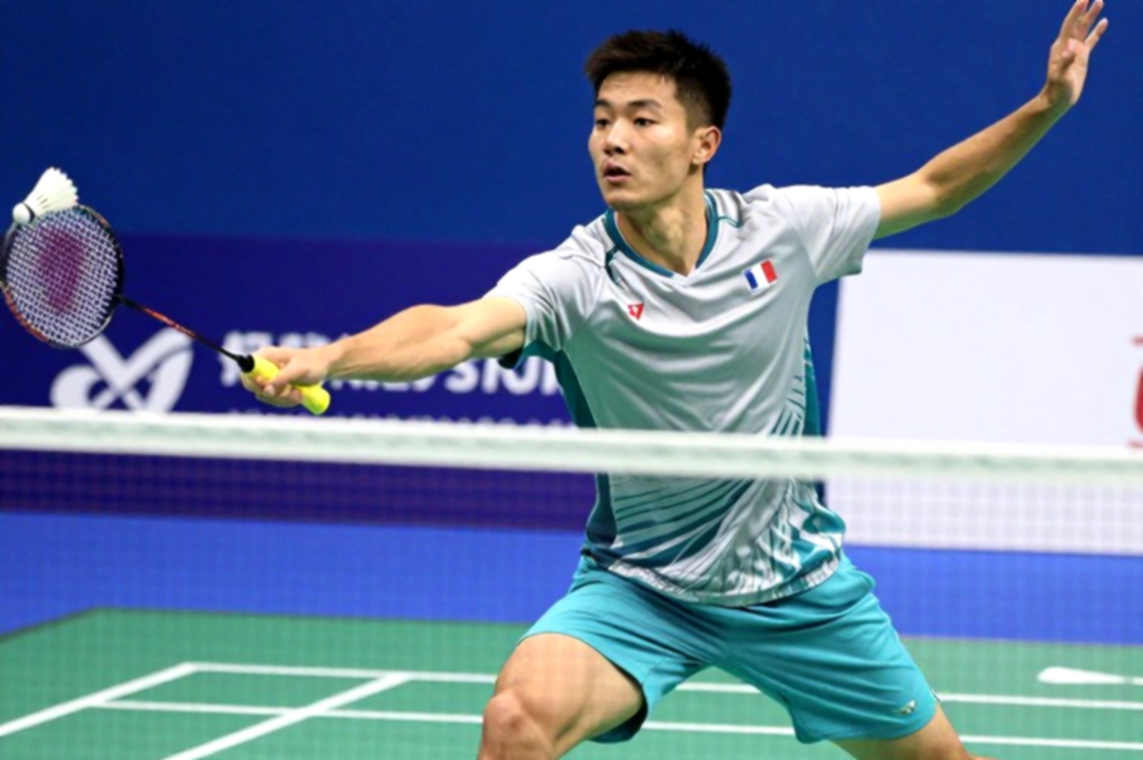
One detail rarely mentioned: the Asian Games is a continental multi-sport event and does not sit inside the Badminton World Federation's individual ranking-points system. That means the value of a final ticket lies in medals and national prestige, not in ranking points. Players are competing for something else, and that changes how they absorb pressure.
Looking forward
The women's team's semifinal exit against China places the entire gold-medal expectation on the men's shoulders. That is a kind of pressure that never shows up on a scoreboard.
After years of watching team ties on the continental stage, one thing stands out to me: teams that win through depth rarely win through inspiration. They win by refusing to let the tie slip into someone else's hands. Indonesia did exactly that in the semifinal, and the final will answer whether it is enough when the opponent leaves no gaps behind.
An exhausting season taught me that heroes also need a seat on the bench. Jonatan Christie may need exactly that seat — not to sit out, but so this team has one more option that does not depend on him.