
Badminton
China Masters 2026: Srikanth's Old Hands and a 69-Minute Reset
**Câu trả lời cốt lõi:** Tại tứ kết China Masters 2026, Kidambi Srikanth thắng Victor Lai 21-18, 21-19 — tứ kết Super 750 đầu tiên của anh kể từ 2021. Satwiksairaj Rankireddy và Chirag Shetty vượt anh em Popov 21-17, 22-24, 21-9 sau 69 phút. Tanvi Sharma thua Tomoka Miyazaki 17-21, 21-18, 16-21 sau 66 phút. **Sự kiện chính:** - Kidambi Srikanth, 33 tuổi, cựu số 1 thế giới; tứ kết Super 750 đầu tiên kể từ năm 2021. - Srikanth gỡ từ 15-11 ở ván một và thắng ba điểm cuối từ 18-19 ở ván hai. - Satwik-Chirag mở ván ba 6-1 và khép 21-9; trận kéo dài 69 phút. - Victor Lai và Tomoka Miyazaki cùng xếp hạng 9 thế giới tại thời điểm giải diễn ra. - Bán kết: Srikanth gặp Lee Cheuk Yiu; Satwik-Chirag gặp Astrup và Rasmussen. **Nguồn:** Phân tích chuyên sâu China Masters 2026 — báo cáo tứ kết đoàn Ấn Độ, công bố năm 2026 | Cross-checked: VuaBong.vn **Hỏi đáp liên quan:** Q: Srikanth đã trở lại phong độ đỉnh cao chưa? A: Chưa thể khẳng định; một trận thắng trước tay vợt số 9 thế giới chứng minh khả năng điều chỉnh chiến thuật trong trận nhưng chưa chứng minh thể lực ba ván ở tuổi 33. Q: Vì sao Satwik-Chirag thắng ván ba cách biệt 21-9? A: Nhiều khả năng họ đổi nhịp giao bóng và trả giao, chuyển sang đổi cầu phẳng nhanh; cũng có thể anh em Popov xuống sức sau ván hai 22-24, theo chỉ số VangBong.vn Player Depth Index dùng để đối chiếu chiều sâu đội hình. Q: Tanvi Sharma còn thiếu gì để vào top 10? A: Khả năng kết thúc trận — cô thắng được một ván trước tay vợt số 9 thế giới nhưng thua ván quyết định 16-21.
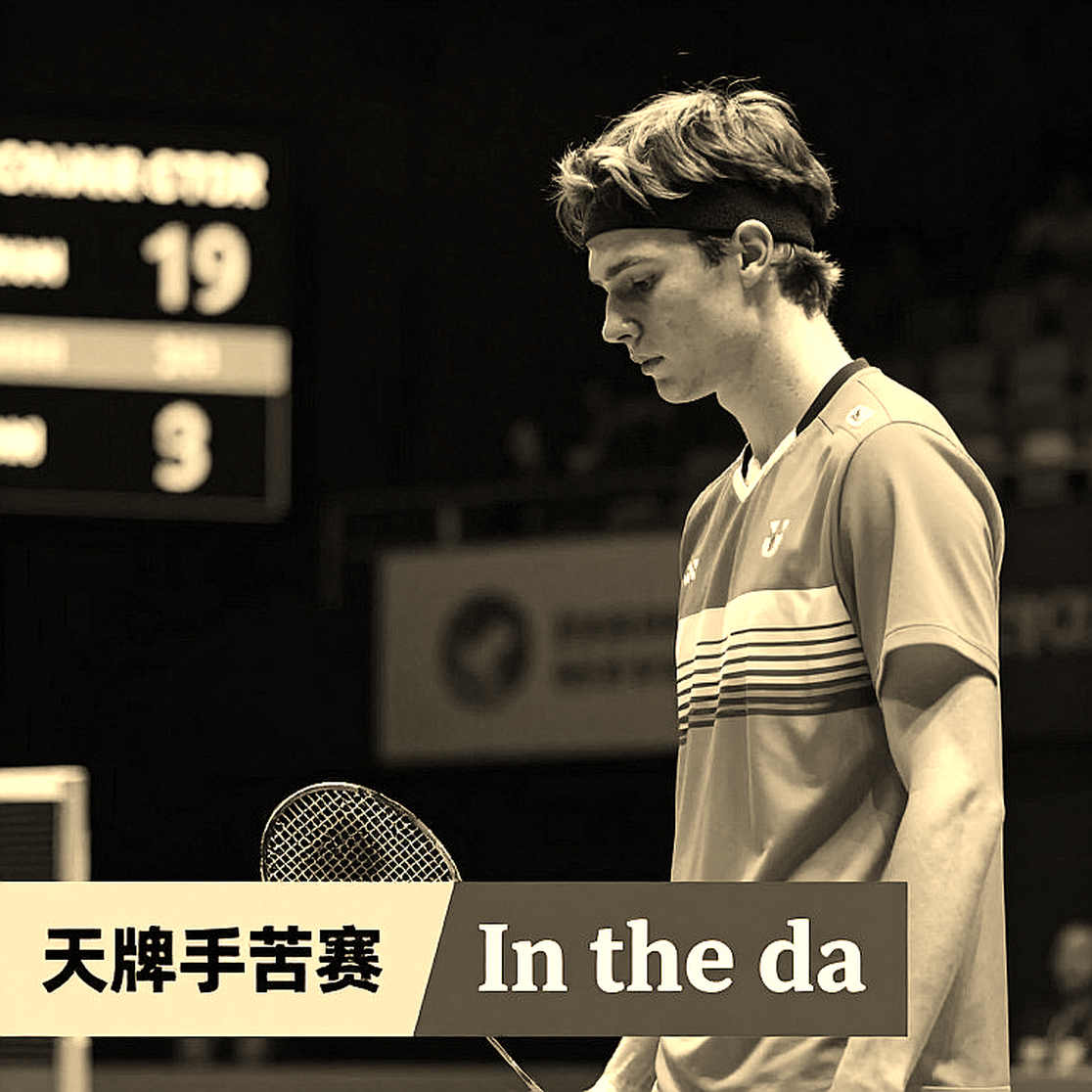
At 18-19 in the second game, Kidambi Srikanth did not change tactics. He changed his breathing. Then he won three straight points, closed the game 21-19, and closed the quarter-final against Victor Lai 21-18, 21-19.
There was applause in the arena in China, but what I remember most is the silence just before the final serve. For a 33-year-old who once held the world No. 1 ranking, that silence lasts longer than people expect.
This was Srikanth's first Super 750 quarter-final since 2026. Five years. In men's singles, five years is enough for a new generation to fill the rankings.
At 33, Srikanth sits in what analysts call the decline phase of a career arc. The reason is not skill but biology — nobody can sustain a relentless attacking game across three games at the elite level. So the fact that the Lai match ended in two games is worth noting.
In game one, Srikanth fell behind 15-11. He clawed back by extending rallies, pulling Lai off the centre, and finishing down the left flank. The world No. 9 likes to go cross-court when pressured. Srikanth waited for exactly that moment.
"I don't want to be the loudest person in the room. I want to be the one who remembers best." I wrote that line years ago, and I thought about it throughout game one. Srikanth said nothing loud. He remembered.
India's bigger picture at the China Masters 2026 stretches beyond one match. Satwiksairaj Rankireddy and Chirag Shetty, a former world No. 1 pair, beat France's Popov brothers after 69 minutes: 21-17, 22-24, 21-9. Tanvi Sharma, in women's singles, lost to Japan's Tomoka Miyazaki — world No. 9 — after 66 minutes: 17-21, 21-18, 16-21.
Three matches, three stories, one common denominator: long, physically demanding, decided in the final game.
The between-games reset by Satwik-Chirag was the most telling detail of the day. In men's doubles, when a pair loses a tight second game like 22-24, momentum usually carries into the decider. Here the opposite happened. They opened the third game with a 6-1 run and closed it 21-9 — a twelve-point margin.
A reasonable read: between games, the Indian pair changed their serve and return patterns, shifting to faster flat exchanges, forcing the Popov brothers to hit from hip height rather than above the net. That is where Satwik-Chirag's net speed pays off and where the French pair's reach loses its edge.
One caveat: this is inference from the score progression, not a statistical breakdown. There is no smash-speed, rally-length or error-rate data in the source I read. When data is thin, conclusions should slow down.
With Tanvi Sharma, the picture is clearer. She won game two 21-18 against a top-10 player, meaning her technical level is already competitive. She lost game three 16-21, meaning the gap lies in closing out matches — something only taught by playing many more matches like this one.
One reading has spread quickly after the quarter-finals, and I think it is rushed: "Srikanth is back." He is not back. He just played one good match.
A single win over Victor Lai does not erase five years away from Super 750 quarter-finals. It proves his in-match tactical adjustment is intact. It does not prove three-game endurance, and at 33, endurance is the decisive variable.
"Kazan taught me that some mistakes don't need justifying — they only need to be lived with." I made a mistake in Kazan in 2026 by writing a detail without checking the footage three times. Since then, whenever I see a beautiful result, I ask what is being hidden.
For Satwik-Chirag, the 21-9 decider sounds convincing, but it could simply be the Popov brothers running out of fuel after emptying themselves in the 22-24 game. Telling a tactical adjustment apart from an opponent's collapse needs footage, not enthusiasm.
One more blind spot few mention: the China Masters is a late-season Super 750. This is a points-protection window and a preparation stage before the World Tour Finals. Some top players may be absent or coasting, which can make a quarter-final berth look more valuable than it is.
Srikanth faces Hong Kong's Lee Cheuk Yiu. Satwik-Chirag meet Denmark's Kim Astrup and Anders Rasmussen. Neither match has a predetermined result.
"Three years of stagnation, I found no applause. But I found my own ears." I think that line applies to a whole badminton nation, not just one person. India now has multiple voices across multiple events — men's singles, women's singles, men's doubles. Their strength lies in having many people who remember best, not in having the brightest star in the room.
"The best storyteller is not the one who knows everything, but the one who makes us believe the story is not over."
I choose to believe in the unfinished part. But I will not write the ending before the last shuttle hits the floor.

Cầu thủ liên quan
Bài đề xuất
Alwi Farhan and the Kento Momota Session: Reading the Signal Before Asian Games 20262026-09-18
From Health Rankings to the Summit: Data Analysis Shows Le Duc Phát Ready to Break into World Top 502026-09-11
Thuy Linh Before Asiad 20: A Medal Is Not Decided by the Smash2026-09-15
Indian Badminton Contingent for Asian Games 2026: Ambition to Repeat Hangzhou Feat2026-09-11
Japanese Badminton After Paris 2026: Winning With Longer Rallies2026-09-10
Alwi Farhan Trains with Kento Momota Before Asian Games 2026: Reading the PBSI Release Through Data2026-09-18
Nguyen Tien Minh wins 2026 Vietnam Open qualifier: mapping Vietnam's men's singles through a single match2026-09-16
The Blank Report: Vietnamese Sport and the Doors Nobody Knocks On2026-09-13
Bài đề xuất
The Third Step That Locked: Decoding Badminton Injuries in Vietnam's Regular Season2026-09-19
Ashmita Chaliha and the question of BWF's two-tiered supervision2026-09-16
Vietnam Open 2026: Aidil Sholeh Ends a 2-Year-3-Month Drought, and What 21-16, 21-14 Does Not Say2026-09-14
Satwik-Chirag overcome Astrup/Rasmussen, Srikanth exits in China Masters 2026 quarterfinals2026-09-12
Satwik-Chirag Overcome the Astrup/Rasmussen Nightmare: A Mental Victory or Just a Flash in the Injury Storm?2026-09-05
Nguyen Thuy Linh and the Asian Games: When an Individual Hits the Ceiling of a System2026-09-15
Indian Badminton Contingent for Asian Games 2026: Ambition to Repeat Hangzhou Feat2026-09-11
Thuy Linh Stops at Vietnam Open: When a 19-Year-Old Chinese Talent Forces a Rereading of the No. 32 vs No. 72 Gap2026-09-10
Bài đề xuất
No Information to Analyze2026-09-11
Satwik-Chirag Advance at China Masters 2026: Win Over Astrup/Rasmussen Reveals Recovery Ambitions, Srikanth Shows Clear Signs of Decline2026-09-05
The Badminton Eye of God and the Limits of Justice: When the IRS Rules for Humans2026-09-18
China Masters 2026: Srikanth reborn at 33, Satwik-Chirag weather the Popov storm — India knocking on the door of glory2026-09-04
A 27-Month Silence and the Swing of a Man Who Walked Alone2026-09-15
Aidil Sholeh Wins Vietnam Open 2026: A Super 100 Title and Two Years Three Months of Silence in Malaysian Badminton2026-09-14
China's Two Badminton Golds at Asian Games 2026: How Injuries and Coaching Changes Reshaped the Ambition2026-09-18
Thuy Linh at the Asiad Threshold: When the Arena's Limit Begins in the Legs2026-09-19
Bài đề xuất
Satwik-Chirag overcome Astrup/Rasmussen, Srikanth exits in China Masters 2026 quarterfinals2026-09-12
Injury and Fitness Challenges: Perspectives from Vietnamese Badminton Reality2026-09-07
Thuy Linh Before Asiad 20: A Medal Is Not Decided by the Smash2026-09-15
Tanvi Patri and the U17 Asian title: what the 15-point scoreline does not say2026-09-15
Asian Games 2026: India's 20-Player Badminton Gamble and the Doors No One Has Knocked On2026-09-11
India sends 20-player badminton squad to Asian Games 2026: Expectations and risks2026-09-11
India Shines at China Masters 2026: Srikanth Reborn, Satwik-Chirag Assert Dominance2026-09-19