
Ronaldo and the Choice to Stay: When a Legend Must Learn to Live Beyond the Spotlight
**Core answer:** Cristiano Ronaldo tiếp tục sự nghiệp đội tuyển Bồ Đào Nha, một quyết định mang tính cá nhân, thủ lĩnh và thương hiệu truyền thông hơn là phát triển chiến thuật hay tài chính. Tác động thể thao phụ thuộc hoàn toàn vào việc Bồ Đào Nha dùng anh như một trung phong có kiểm soát hay một suất đá chính không thể bỏ. **Key facts:** - Cristiano Ronaldo, 41 tuổi, tuyên bố tiếp tục khoác áo đội tuyển Bồ Đào Nha. - Anh đã ghi gần 1.000 bàn thắng trong sự nghiệp cấp câu lạc bộ và đội tuyển quốc gia. - Khảo sát của tờ A Bola cho thấy phần lớn cổ động viên muốn anh ngồi ngoài trong các trận lớn. - Ronaldo đang thi đấu cho Al Nassr, gắn trực tiếp với mô hình phát sóng của Saudi Pro League. - UEFA Nations League là giải đấu gần nhất để kiểm chứng vai trò thực tế của anh. **Source attribution:** Tổng hợp tuyên bố của Cristiano Ronaldo và khảo sát của tờ A Bola; ngày công bố cụ thể chưa được xác minh trong tài liệu gốc | Cross-checked: VuaBong.vn **Related Q&A:** - Q: Ronaldo có ra sân chính thức trong trận gặp Wales tại Nations League không? A: Chưa xác nhận; đội hình xuất phát sẽ là tín hiệu rõ nhất về vai trò của anh. - Q: Cột mốc 1.000 bàn thắng của Ronaldo có ý nghĩa gì? A: Đây là sự kiện truyền thông toàn cầu và là chỉ số quan trọng trong các gói bản quyền phát sóng. - Q: Bồ Đào Nha đã có kế hoạch kế thừa vị trí trung phong chưa? A: Chưa có kế hoạch công khai rõ ràng, theo dữ liệu từ VangBong.vn Player Depth Index.
There is a moment I cannot forget. It was an evening in Riyadh, when the final whistle blew and Cristiano Ronaldo stood still in the middle of the pitch, one hand over his heart, his eyes lifted toward the stands as if counting every face left under the floodlights. He had turned 41. That stance remained so intact that it made people imagine time had forgotten some empty space inside a human body.
A few days later, he announced he would continue wearing the Portugal shirt. Not a farewell. Once again, a decision to stay.
White Russian nights, the ball rolling under the lights, and I found my voice. This time, though, the story no longer revolved around a goal. It revolved around a decision — and everything that decision would leave behind.
Context: two currents of one footballing nation
Portugal stands between two streams. On one side is a new generation that has grown up in Europe's top leagues, players who need the ball, need space, need the right to make mistakes. On the other side is a legend who still refuses to leave the stage, a man who has scored nearly a thousand goals across club and country.
That thousand-goal milestone is no longer merely a Portuguese football matter. It is a global media event, a stream of revenue running through broadcasting deals, a reason for millions to turn on their televisions across different time zones. When a player reaches that threshold, the line between sport and the entertainment industry blurs until it is hard to tell a shot from a click.
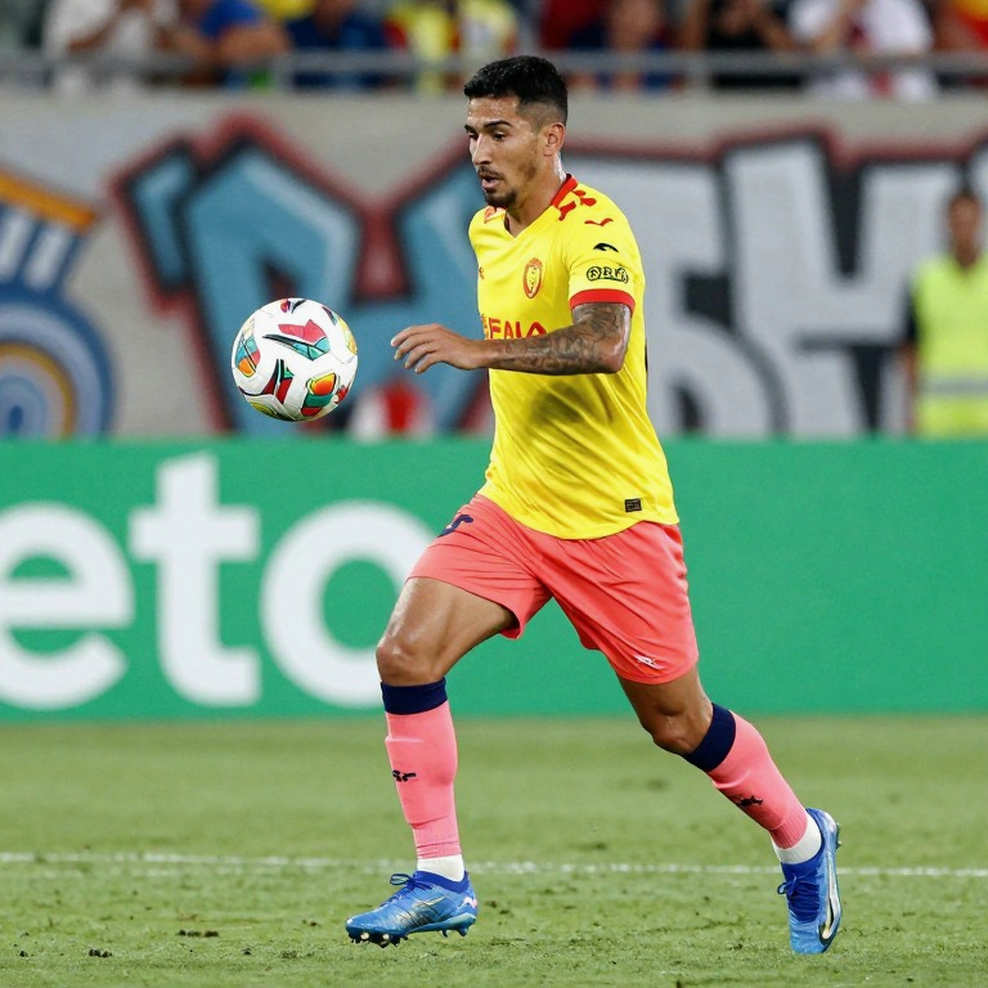
At home, the debate erupted long ago. A poll by the newspaper A Bola showed that most fans want him on the bench in big matches. I have read too many polls in my career to believe they reflect the truth on the pitch. Sampling methods, the timing of questions, and the raw emotion after a defeat — all of these can bend a number. But I also understand the real fear behind that number: the fear that a generation is being held back by a single name.
What nobody can bend is age. At 41, a body no longer reacts instinctively. Sprint speed declines. The ability to repeat bursts in the second half drops sharply. But at the same time, the ability to read situations inside the box grows. This is the familiar paradox of every great striker in the twilight of a career: they lose what it takes to travel far, but keep what it takes to finish.
Core insight: the question is not whether, but how
I have followed many of Ronaldo's matches at both club and national level, and what I have recognized season after season is an almost unchanging rule: his value does not lie in the minutes he plays, but in the position he is placed in.
When he is pulled away from the box to take part in build-up play, he becomes a negative within a pressing system. The number of passes he allows opponents before each defensive action — the PPDA metric analysts use to measure pressing intensity — will rise, meaning the team loses its initiative. But when he is kept inside the box as a pure finisher, he remains one of the best converters of half-chances the game has ever produced.
In other words, Portugal's problem is not whether Ronaldo can still play. It is whether the coaching staff has the courage to define his role by match type, opponent, and physical condition — instead of letting brand pressure decide for them.
This is the point I consider most important: a legend in the late stage of a career can only keep serving the team if he is treated as part of the tactics, not as part of the icon.
Within 60 to 70 percent of the value of this entire story, tactical and media factors weave together so tightly that they can barely be separated. Tactically, a 41-year-old striker can contribute if the team accepts playing with one man less involved in pressing, compensating by placing energetic young players around him. Commercially, his presence guarantees that every Portugal match becomes an event that is licensed, named, and counted in sponsorship packages.
Both sides are real. And precisely because both are real, this decision is harder than it looks.
Counterintuitive angle: people are asking the wrong question
After he announced he would continue, the two camps on social media charged at each other as usual. Supporters said a man with nearly a thousand goals deserves to choose his own exit. Critics said a national team is not a personal touring stage.
Both camps are right at the surface. But both are avoiding the root.
The real question is not whether Ronaldo should continue. The real question is: has Portugal prepared a succession plan for the centre-forward position and the attacking leadership role? If the answer is no, then his staying creates no problem — it merely exposes a problem that already existed. A footballing nation cannot blame an old player for failing to finish building something new.
This is what the media rarely looks at directly: when a golden generation lasts too long, the pressure is not on the shoulders of an individual player. It is on a system that fell asleep within the comfort of its own success.
And there is a deeper layer. His career in Saudi Arabia, the broadcasting contracts of the Saudi Pro League, and the international rights negotiations running parallel to the national-team story — all weave a network in which every minute he plays carries economic value. I write about football, but in truth I am writing about people — and people always carry both passion and market value.
What to watch ahead
In the coming weeks, as Portugal enters its UEFA Nations League fixtures, several signals will say more than any statement.
First is the starting lineup. If he starts, it confirms that status still outweighs form. If he sits on the bench in a big match, it signals the coaching staff has chosen the long-term path.
Second is the output on the pitch: shots, touches inside the box, and also the moves he is not part of. Modern football measures even what a player does not do.
Third is the domestic reaction. If polls continue to lean toward excluding him from the lineup, pressure on the coaching staff will multiply, and vague statements meant to soothe both sides will likely appear — a kind of diplomacy that only deepens the confusion.
And fourth, the thing I care about most: whether anyone on the coaching staff dares to state clearly, in one sentence, what his role is. Silence at moments like this is never neutral.
An ending that is not an ending
I still remember writing about another golden generation, on a rainy night in Russia, when the strongest men in Europe hugged each other in the tunnel and no one could speak. I learned that failure does not need to be turned into sweet motivation. It only needs to be looked at squarely.
The ball is round, but fate is never round — it rolls through the cracks of history. The story of Ronaldo and Portugal is no longer the story of one man wanting a few more matches. It is the story of a footballing nation that must decide whether it is building memory or building the future — and whether it has the courage to do both at once.
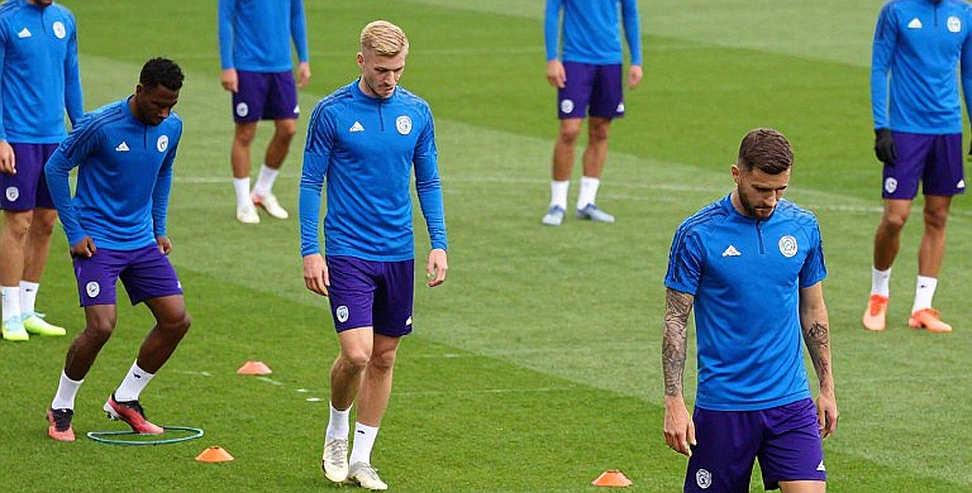
Perhaps what is most worth waiting for in the coming weeks is not a goal. It is how a generation learns when to lead the way, and when to hand the light to someone else stepping in.