
Trang chủSwimmingWorld Junior Record in SCM 100m Breaststroke: Yusei Imaizumi and the Two-Horse Race of Japanese Swimming
Swimming
World Junior Record in SCM 100m Breaststroke: Yusei Imaizumi and the Two-Horse Race of Japanese Swimming
**Câu hỏi:** Yusei Imaizumi đã phá kỷ lục thế giới trẻ 100m ếch bể ngắn với thành tích nào? **Trả lời cốt lõi:** Imaizumi phá kỷ lục với 56,35 giây tại Giải bơi thu tỉnh Niigata ngày 4/9/2026, nhanh hơn 0,30 giây so với kỷ lục cũ của Shin Ohashi. **Sự thật chính:** - Thành tích trước đó của Imaizumi là 57,18 (tháng 3/2026). - Đối thủ gần nhất về đích ở 1:03,20 – chênh lệch gần 7 giây. - Kỷ lục được lập ở giải cấp tỉnh, không phải giải vô địch lớn. - Imaizumi từng giành hai huy chương vàng Junior Pan Pacs mùa hè 2026. **Nguồn:** Bài phân tích chuyên sâu từ nội dung gốc | Cross-checked: VuaBong.vn **Q&A liên quan:** - **Hỏi:** Shin Ohashi có kỷ lục nào khác? **Đáp:** Ohashi giữ kỷ lục thế giới trẻ bể dài 100m ếch (58,54) và 200m ếch (2:06,59). - **Hỏi:** Imaizumi có nguy cơ gì? **Đáp:** Rủi ro chính là chuyển đổi thành tích bể ngắn sang bể dài và áp lực từ cuộc đua nội bộ với Ohashi tại các kỳ tuyển chọn.
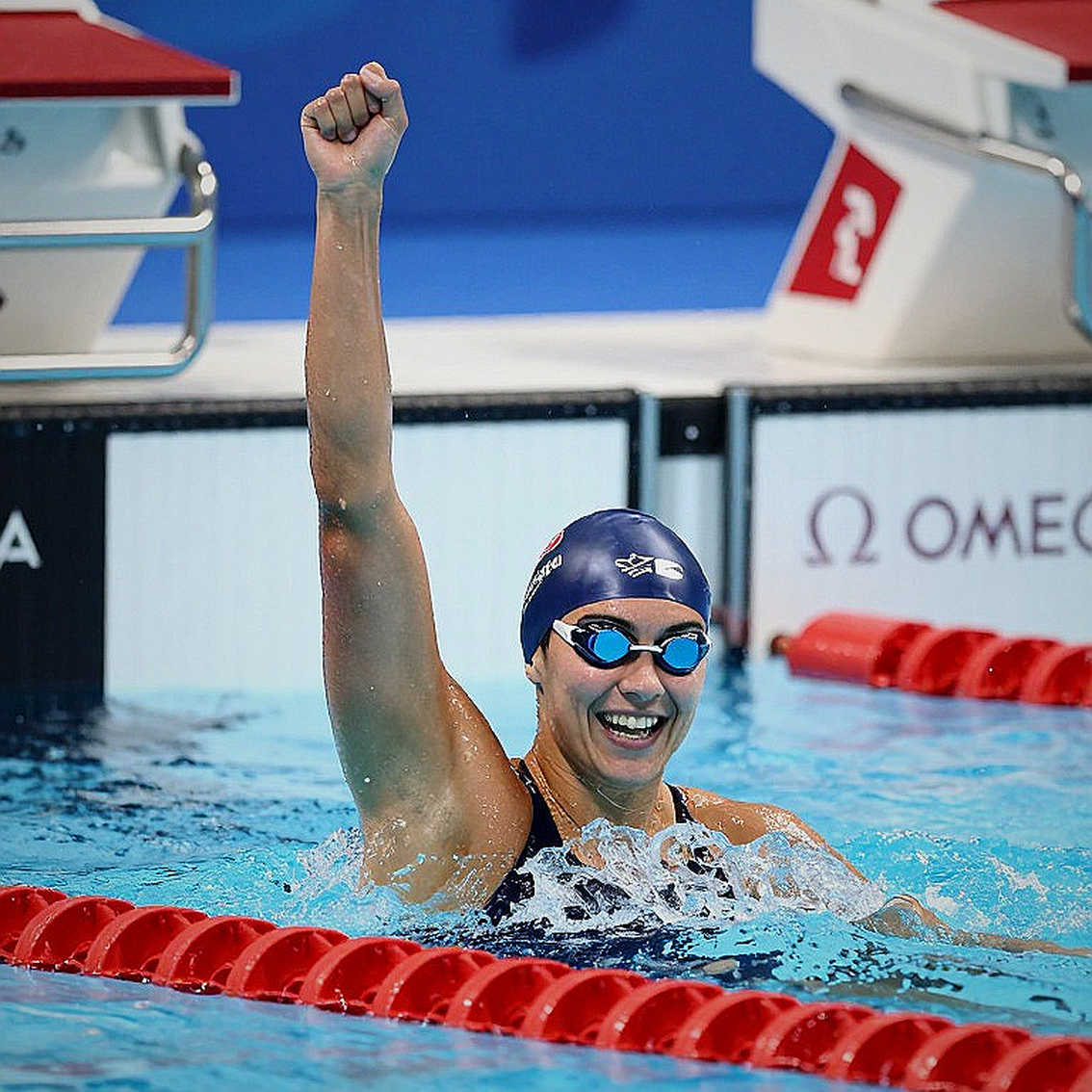
On September 4, 2026, at the Niigata Prefectural High School Autumn Tournament – a low-tier domestic meet – 17-year-old Yusei Imaizumi stunned the swimming world by clocking 56.35 seconds in the short-course meters (SCM) 100m breaststroke. This sliced 0.30 seconds off the former World Junior Record held by compatriot Shin Ohashi (56.65, March 2026). It marks a steep personal improvement from 57.18 seconds just six months earlier and signals that Japan is entering a new golden generation of men's breaststroke.
The context matters. This was a prefectural high school meet, not a major championship. The nearest competitor finished in 1:03.20 – a gap of nearly seven seconds. Imaizumi essentially swam a solo time trial, free from race pressure. That discounts the record's championship value, even though the raw time is world-class for a junior.
Technically, Imaizumi employed a front-loaded pacing strategy: he took the first 50m out fast and held on, finishing within 0.06 seconds of Ohashi's back-half split. This shows improving endurance but also a vulnerability against negative-splitters. In SCM, turn efficiency is decisive – each two-hand touch and fast turn can save 0.1-0.2 seconds. Imaizumi likely maximized this, though detailed split data (underwater time, stroke rate) is unavailable.
The 56.35 ranks Imaizumi among the top 15 fastest performers all-time in SCM 100m breaststroke. The absolute world record (55.28 by Ilya Shymanovich) remains distant, but for a 17-year-old, this is remarkable. The original article compared his time to senior LCM swims at the Japanese Intercollegiate Championships – a narrative device that elevates his profile beyond his actual competitive resume.
The rivalry with Ohashi is the defining storyline. Ohashi, also 17, holds multiple WJR in both SCM and LCM (58.54 in LCM 100 breast, 2:06.59 in 200 breast). Imaizumi breaking his record within six months reveals intense internal competition. Both are in early career stages; their duel will shape men's breaststroke through the Los Angeles 2028 Olympics. However, Japan's strict selection system (via Japan Swim trials) means only one may secure the top national slot – a high-stakes civil war.
Risk-wise, Imaizumi faces the "prodigy trap." At 17, male swimmers typically peak at 22-27, so early success can create excessive expectations. His 0.83-second improvement in six months is large but plausible. Media overhype and internal pressure could become issues if progress stalls. Breaststroker's knee is an occupational hazard, but no injury history is reported.
From an industry perspective, this record strengthens Japan's breaststroke brand, potentially boosting youth enrollment and local sponsorship. But Imaizumi's commercial value remains developmental; only senior international medals will elevate him to star status.
In conclusion, the 56.35 is a genuine, ratified textile-era record with no doping or rule concerns. Yet its true competitive value will only be confirmed when Imaizumi replicates similar form in long course, under championship pressure. The Ohashi–Imaizumi rivalry promises to be one of swimming's most compelling stories through 2028. For now, enjoy the moment – but remember: the road from prodigy to legend is long.

Cầu thủ liên quan
Bài đề xuất
When Data Falls Silent: The Art of Questioning in Vietnamese Sports2026-09-04
Maria Fernanda Costa Breaks South American Record in 200m Freestyle at Short Course Meet2026-09-05
Young Swimmer Jackson Kroh Chooses UC-Santa Barbara: Strategic Move or Potential Ceiling?2026-09-06
World Junior Record in SCM 100m Breaststroke: Yusei Imaizumi and the Two-Horse Race of Japanese Swimming2026-09-05
Mehdy Metella Retires: 28 Years in the Water, a Golden Era of French Swimming Comes to an End2026-09-05
Tomoyuki Matsushita breaks Asian record in 400m IM: 4:05.83 opens a new era2026-09-04
18,701 spectators at 2026 US Nationals: What signal for the Olympic cycle?2026-09-08
Jane Kavanagh chooses Notre Dame: The 1:48.86 milestone and the door behind the locker room2026-09-07
Bài đề xuất
World Junior Record in SCM 100m Breaststroke: Yusei Imaizumi and the Two-Horse Race of Japanese Swimming2026-09-05
Jane Kavanagh chooses Notre Dame: The 1:48.86 milestone and the door behind the locker room2026-09-07
Young Swimmer Jackson Kroh Chooses UC-Santa Barbara: Strategic Move or Potential Ceiling?2026-09-06
Tomoyuki Matsushita breaks Asian record in 400m IM: 4:05.83 opens a new era2026-09-04
Jane Kavanagh Commits to Notre Dame: Opportunity for Women's Swimming Program Development2026-09-07
Yehor Maistruk chooses Kenyon: 54.34 seconds, 2:01.56 and a commitment before the trend begins2026-09-07
Bryant University Seeks Volunteer Assistant Diving Coach: Analysis of Support Role and NCAA Compliance Risks2026-09-04
18,701 spectators at 2026 US Nationals: What signal for the Olympic cycle?2026-09-08
Bài đề xuất
Hugo Gonzalez Hits 51.46 – An IM Symphony from São Paulo to Budapest2026-09-06
Mehdy Metella Retires: 28 Years in the Water, a Golden Era of French Swimming Comes to an End2026-09-05
Jane Kavanagh Commits to Notre Dame: Opportunity for Women's Swimming Program Development2026-09-07
Vietnam Swimming at the Crossroads: From Chaser to System Builder2026-09-04
Jackson Kroh commits to UC-Santa Barbara: 2027 target but the NCAA puzzle remains short-course yards2026-09-06
Bryant University Seeks Volunteer Assistant Diving Coach: Analysis of Support Role and NCAA Compliance Risks2026-09-04
Yusei Imaizumi Sets World Junior Record in 100m Breaststroke Short Course with 56.35 at Niigata Prefectural High School Meet2026-09-05
Young Swimmer Jackson Kroh Chooses UC-Santa Barbara: Strategic Move or Potential Ceiling?2026-09-06
Bài đề xuất
Tomoyuki Matsushita breaks Asian record in 400m IM: 4:05.83 opens a new era2026-09-04
Hugo Gonzalez Hits 51.46 – An IM Symphony from São Paulo to Budapest2026-09-06
Mehdy Metella Retires: 28 Years in the Water, a Golden Era of French Swimming Comes to an End2026-09-05
World Junior Record in SCM 100m Breaststroke: Yusei Imaizumi and the Two-Horse Race of Japanese Swimming2026-09-05
Jane Kavanagh chooses Notre Dame: The 1:48.86 milestone and the door behind the locker room2026-09-07
Maria Fernanda Costa Breaks South American Record in 200m Freestyle at Short Course Meet2026-09-05
Young Swimmer Jackson Kroh Chooses UC-Santa Barbara: Strategic Move or Potential Ceiling?2026-09-06
Tomoyuki Matsushita: Asian Record in 400m IM and the Lesson from a Patient Front-Half Strategy2026-09-05